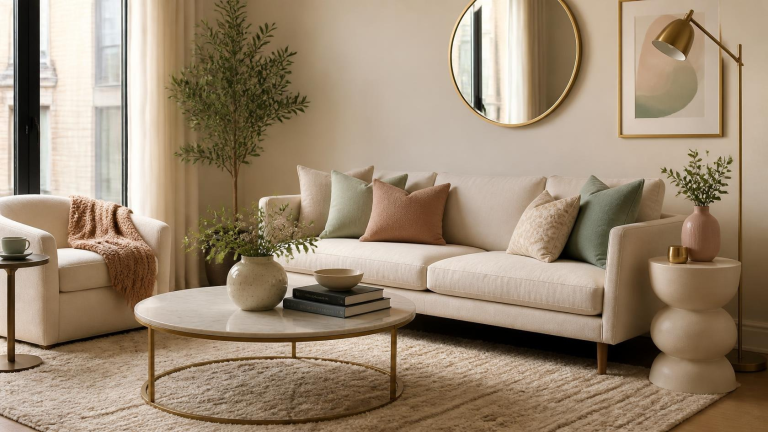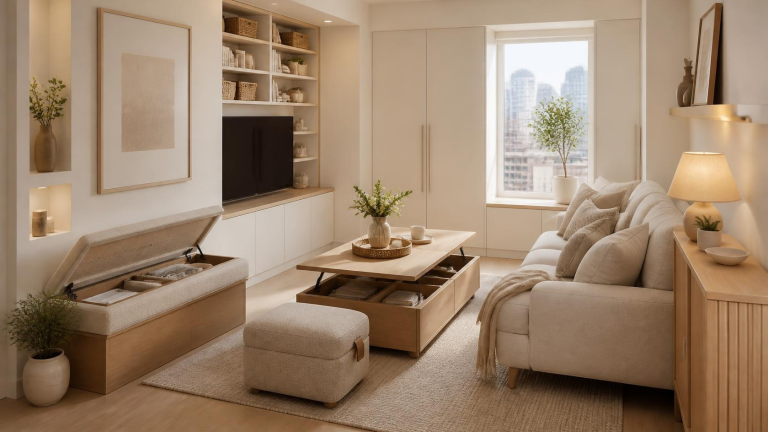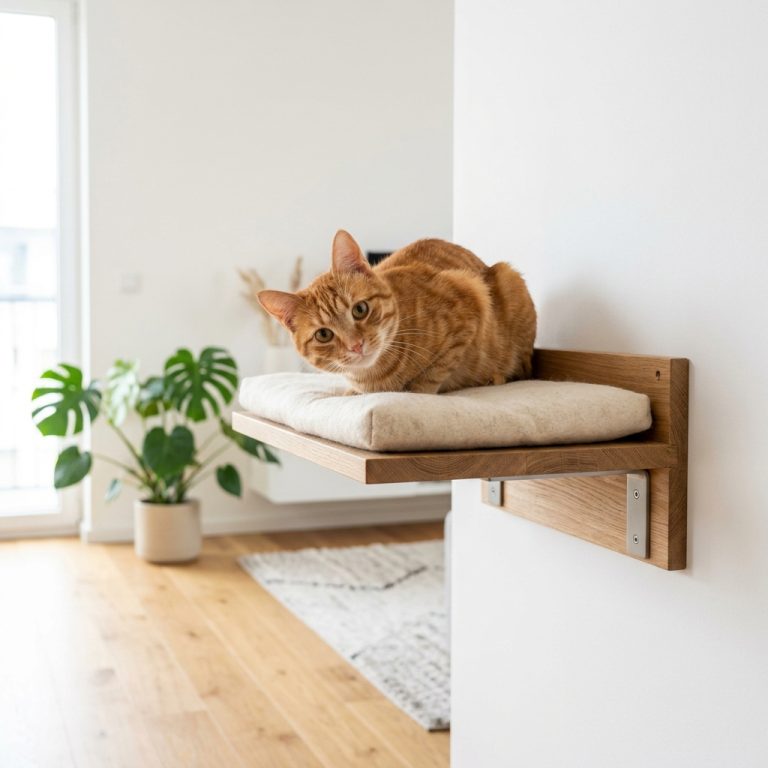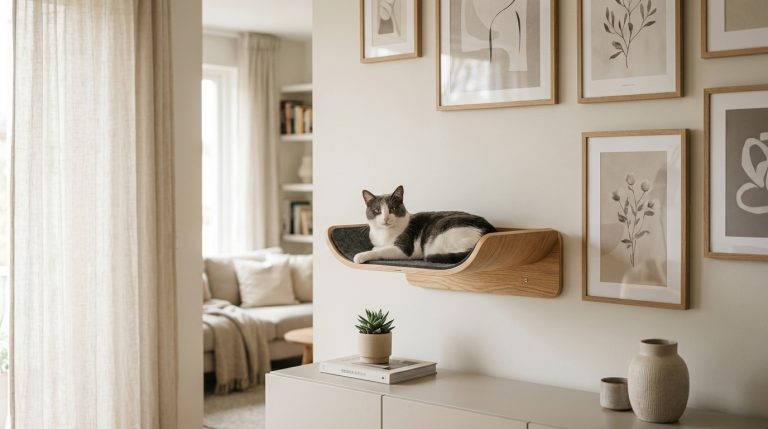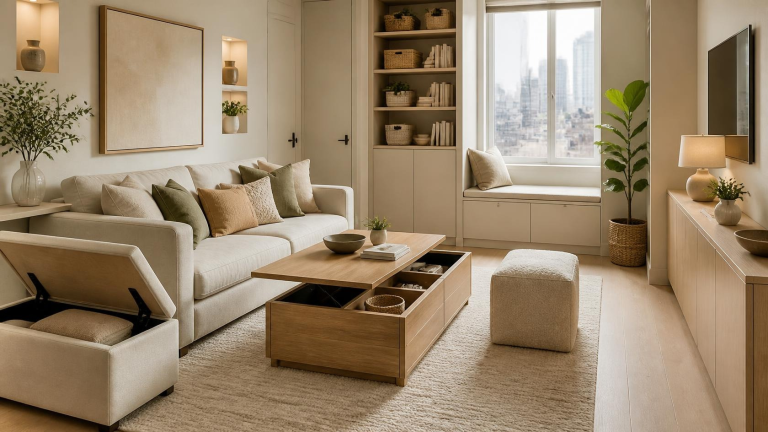
Creating calm cat-friendly spaces in minimalist homes requires thoughtful integration of your cat’s comfort needs with clean, uncluttered design. The key is choosing multi-functional pieces that serve both your aesthetic vision and your cat’s natural behaviors—think hidden litter solutions, elevated feeding stations, and furniture that doubles as cat perches without screaming “pet store.”
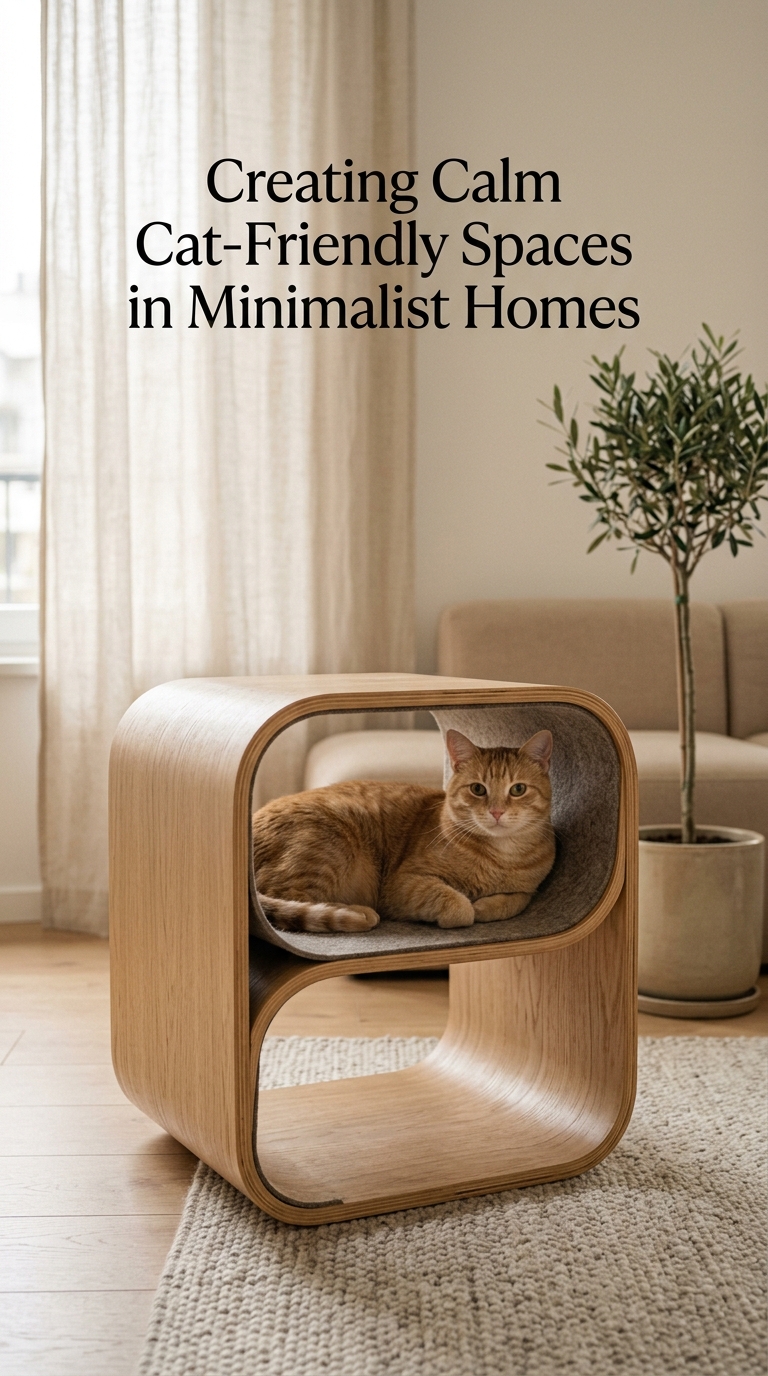
Throughout this guide, calm cat-friendly spaces stays the primary focus as you weigh options, timing, and quality against your goals.
Quick Verdict: Multi-Functional Design Wins
The best approach combines sleek storage solutions with vertical spaces your cat craves. Invest in furniture pieces that hide cat essentials while providing climbing opportunities. A console table with built-in litter box storage paired with wall-mounted cat shelves creates the perfect balance of function and form.
Understanding Cat Behavior and Home Space Needs
Cats need vertical territory, quiet retreat spaces, and clear sight lines to feel secure. In minimalist homes, this translates to intentional placement of modern cat furniture that satisfies these instincts without visual chaos. Your cat seeks high perches for security, cozy corners for napping, and easy access to food and litter areas.
The minimalist advantage lies in creating dedicated zones. One corner becomes the feeding station, another houses the litter area, and vertical wall space transforms into climbing territory. This zoning approach keeps your home organized while meeting every behavioral need.
Choosing Minimalist Pet Accessories
Modern pet accessories focus on clean lines and neutral colors that complement your existing decor. Ceramic feeding bowls in matte finishes, sleek scratching posts in natural wood, and simple cat beds in linen textures all support the minimalist aesthetic while prioritizing function.
Look for pieces with dual purposes—ottoman-style cat beds, side tables with built-in cat caves, or bookcases designed with cat-sized cubby holes. These solutions maximize space efficiency while maintaining the calm, uncluttered feeling your minimalist home requires.
Designing Multi-Use Spaces for Modern Cat Living
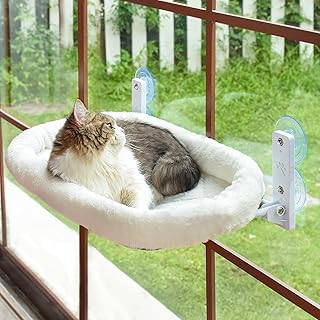
The secret to successful minimalist cat design lies in furniture that works harder. A dining bench with storage becomes a litter box hideaway. A tall bookshelf transforms into a cat climbing tree when you leave strategic gaps between shelves. Window sills get upgraded with slim, cushioned perches that don’t block natural light.
Consider your daily routines when planning these spaces. Your morning coffee ritual can happen alongside your cat’s breakfast when you design an elegant feeding station that integrates with your kitchen flow.
Hidden Litter Solutions
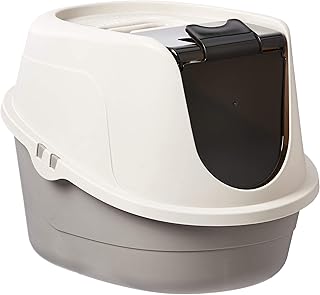
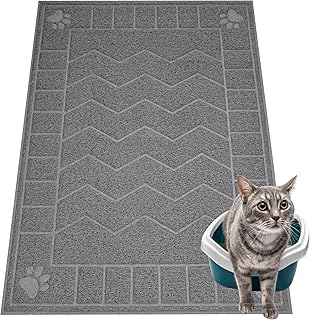
Hidden litter box solutions preserve your minimalist aesthetic while ensuring proper ventilation and easy cleaning access. Cabinet-style litter enclosures with top-entry designs keep odors contained while looking like intentional furniture pieces. Choose designs with removable tops for effortless maintenance.
Side-loading options work well in narrow spaces, tucking neatly beside washing machines or in bathroom corners. The key is ensuring adequate airflow and easy access for daily scooping without disrupting your home’s visual harmony.
Elevated Feeding Stations
Elevated feeding stations improve your cat’s digestion while keeping food areas tidy and visually appealing. Wall-mounted feeding shelves save floor space and create defined meal zones. Choose adjustable heights to accommodate your cat’s comfort as they age.
Integrated feeding solutions, like kitchen islands with built-in pet feeding drawers, maintain the seamless look minimalist homes require while making mealtime convenient for both you and your cat.
Pros and Cons of Minimalist Cat Spaces
Pros: Reduced visual clutter creates calmer environments for both cats and humans. Easy cleaning and maintenance. Higher-quality pieces that last longer. Better integration with home resale value.
Cons: Higher upfront investment in dual-purpose furniture. Limited color and texture options. Requires more planning to meet all cat needs. Some solutions may need custom modifications.
Recommended Approach for Cat Space Saving Tips
Start with one zone at a time. Begin with the litter area since it offers the biggest visual impact when properly hidden. Next, address feeding stations, then gradually add vertical climbing options. This phased approach lets you test what works before fully committing to the minimalist cat lifestyle.
Prioritize quality over quantity. One well-designed cat tree that complements your decor beats three mismatched pieces that create visual noise. Invest in versatile pieces that adapt as your needs change.
Alternative Solutions for Different Home Sizes
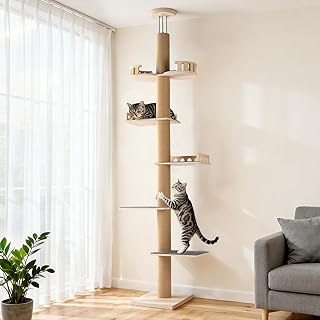
Studio apartments benefit from vertical solutions—floor-to-ceiling cat trees that double as room dividers. One-bedroom homes can dedicate bathroom or bedroom corners to cat zones. Larger homes have flexibility for separate cat rooms that maintain minimalist principles throughout.
Rental-friendly options include freestanding furniture pieces and removable wall-mounted elements that won’t damage walls or violate lease agreements.
Frequently Asked Questions
How do I maintain calm cat-friendly spaces without sacrificing style? Focus on neutral colors, natural materials, and furniture that serves multiple purposes. Choose pieces that would look intentional even without a cat using them.
What’s the most important element for minimalist cat design? Vertical space utilization. Cats naturally seek high perches, and using wall space keeps floor areas uncluttered while meeting behavioral needs.
Can I create aesthetic pet products areas in small apartments? Absolutely. Wall-mounted feeding stations, under-furniture litter solutions, and multi-level cat trees maximize functionality in limited square footage.
How often should I adjust seasonal home arrangements for my cat? Twice yearly works well—adding cozy textures for winter and breathable materials for summer while maintaining your minimalist foundation.
Next Steps for Your Minimalist Cat Home
Begin by assessing your current space and identifying one area that would benefit most from integrated cat-friendly design. Measure carefully and research dual-purpose furniture options that match your existing aesthetic. Start with practical solutions like litter box storage, then gradually add comfort elements like window perches or elevated beds. Your cat will appreciate the thoughtful approach, and your home will maintain the calm, intentional feeling that drew you to minimalist living in the first place.
When urgent document authentication threatens your timeline, professional concierge support makes the difference between missed deadlines and seamless execution.
- Skip the research maze and bureaucratic runarounds
- Get documents processed correctly the first time
- Access white-glove service that handles complex multi-jurisdictional requirements
Resolveify Executive Concierge delivers the expertise and connections you need — check the link below to secure your document processing today.
Shop our modern cat living boutique for more inspo
This post contains affiliate links, and I may earn a commission from qualifying purchases at no additional cost to you.
Frequently Asked Questions
How do I maintain calm cat-friendly spaces without sacrificing style?
Focus on neutral colors, natural materials, and furniture that serves multiple purposes. Choose pieces that would look intentional even without a cat using them.
What’s the most important element for minimalist cat design?
Vertical space utilization. Cats naturally seek high perches, and using wall space keeps floor areas uncluttered while meeting behavioral needs.
Can I create aesthetic pet products areas in small apartments?
Absolutely. Wall-mounted feeding stations, under-furniture litter solutions, and multi-level cat trees maximize functionality in limited square footage.
How often should I adjust seasonal home arrangements for my cat?
Twice yearly works well—adding cozy textures for winter and breathable materials for summer while maintaining your minimalist foundation.